
United Airlines CEO Scott Kirby has launched a rare public broadside against American Airlines, accusing the rival carrier of undermining industry stability by refusing to engage in merger discussions. In a pointed set of remarks, Kirby suggested that American’s reluctance to consider consolidation could harm long-term competitiveness—especially as global carriers grow larger and more integrated.
This isn’t just corporate posturing. It’s a signal that United sees strategic consolidation not as optional, but necessary in an era defined by shifting travel demand, rising fuel costs, and intensifying international competition. The refusal from American, headquartered in Fort Worth, Texas, has reignited debate over whether U.S. airlines are leaving scale and efficiency on the table.
Why United Wanted a Merger Conversation
At face value, a merger between American and United would create the largest airline in the world by fleet size and available seat miles. The combined entity would outmuscle Delta Air Lines and dominate key international routes, hubs, and frequent flyer ecosystems.
But United’s interest goes beyond size. It’s about structural resilience.
Post-pandemic, airlines face a new reality: labor shortages, increased maintenance costs, and pressure to modernize fleets while reducing carbon emissions. A merged United-American could streamline operations across overlapping hubs—Chicago O’Hare, Dallas/Fort Worth, and Washington Dulles—eliminating redundancies while boosting route density.
For example, both carriers operate multiple daily flights between New York (JFK and LGA) and Los Angeles (LAX). Combined, they could optimize schedules, reduce congestion, and reinvest savings into premium cabins or sustainable aviation fuel (SAF) programs.
Scott Kirby framed the refusal as short-sighted: > “When your competitor says no to a conversation—before even hearing the terms—it raises questions about their commitment to the future of American aviation.”
American Airlines’ Stance: Independence Over Integration
American Airlines has consistently maintained that independence is key to its strategy. CEO Robert Isom has emphasized organic growth, fleet renewal, and customer experience upgrades as priorities—no need for a merger.
But there’s more beneath the surface.
American’s balance sheet remains burdened by higher debt levels compared to United. A merger would inevitably trigger tough decisions—job cuts, brand consolidation, union negotiations. Union leaders at both carriers have already signaled skepticism, fearing diminished labor influence.
Moreover, American has invested heavily in rebranding and its “More Care” customer service campaign. Merging with United would dilute that effort—and potentially alienate loyal flyers.
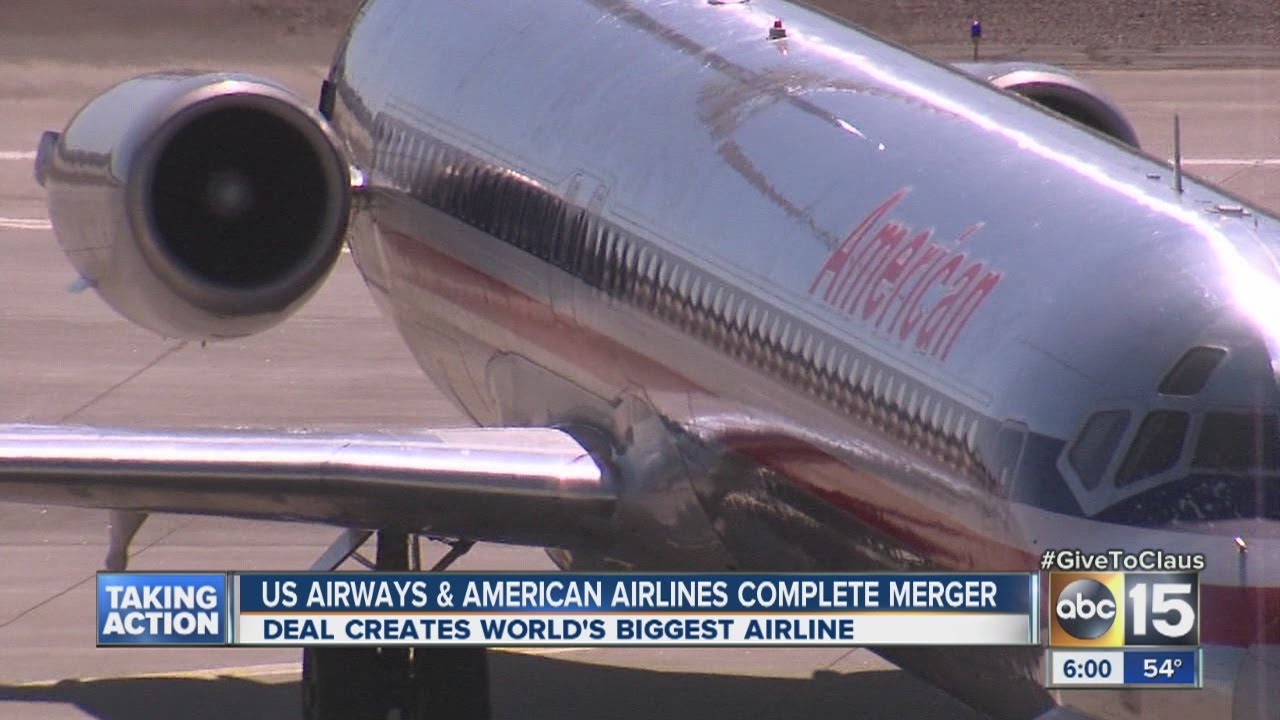
There’s also regulatory risk. The Department of Justice (DOJ) has grown increasingly hostile to major domestic mergers, especially in concentrated industries. The 2013 merger between American and US Airways barely cleared antitrust hurdles. A United-American deal would face even steeper scrutiny.
The Real Stakes: Global Competition
The core of Kirby’s argument doesn’t hinge on domestic dominance. It’s about competing with global alliances.

Carriers like Emirates, Qatar Airways, and Air France-KLM operate with state backing, extensive international networks, and aggressive expansion. Even U.S.-based Delta has forged deep partnerships with foreign airlines—its joint venture with Air France-KLM and Alitalia gives it unmatched transatlantic reach.
Without scale, U.S. carriers risk ceding long-haul routes to foreign competitors.
Consider this: - United and American combined fly 78 weekly flights from the U.S. to India. - Air India, backed by the Tata Group and now part of the Star Alliance, plans to double its U.S. capacity by 2027. - Emirates already operates 42 weekly flights to the U.S. from Dubai alone.
Scale matters. A merged carrier could pool purchasing power for aircraft (Boeing and Airbus), negotiate better airport slots, and fund next-gen inflight experiences.
As one aviation analyst put it: > “We’re not just talking about two airlines. We’re talking about the future of American influence in global aviation.”
Past Mergers: Lessons for the Present
The history of airline mergers in the U.S. is a mixed bag—some triumphs, some cautionary tales.
| Merger | Year | Outcome |
|---|---|---|
| Delta-Northwest | 2008 | Successful integration; Delta emerged stronger |
| United-Continental | 2010 | Years of IT and labor issues; brand recovery took a decade |
| American-US Airways | 2013 | Profitable, but customer satisfaction lagged for years |
| Alaska-Virgin America | 2016 | Smooth integration; improved West Coast dominance |
United’s own merger with Continental was rocky. System integration failed at launch, stranding passengers and damaging trust. It took years to rebuild.
That experience may explain why American is hesitant. They watched United struggle—and want to avoid similar pitfalls.
But Kirby argues that experience is an advantage: > “We’ve learned how to do this. We know what not to do. We’re not proposing a 2010-style merger. We’re proposing a modern, tech-enabled integration with labor at the table.”
Antitrust and Regulatory Roadblocks
Even if American had said “yes,” the merger would face a grueling regulatory battle.
The DOJ, under current leadership, has challenged major corporate consolidations across sectors—Airlines would be no exception.
Key concerns would include: - Reduced competition on over 100 domestic routes - Higher fares in mid-sized markets (e.g., Omaha, Des Moines, Spokane) - Diminished choice for corporate travel contracts - Control over premium airport real estate (gates, lounges, check-in counters)
The DOJ would likely demand massive divestitures—possibly spinning off one of the combined company’s hubs. That could weaken the very synergy the merger aims to achieve.
Furthermore, the Department of Transportation (DOT) has signaled support for low-cost carriers and new entrants. A United-American merger could be seen as anti-competitive, especially with rising consolidation among regional airlines.
Strategic Alternatives to Full Merger
If a full merger is off the table, there are other paths to collaboration.
United and American could pursue deeper joint ventures—similar to Delta’s transatlantic model. These allow carriers to: - Share revenue on overlapping routes - Coordinate schedules and connections - Offer unified loyalty benefits - Co-invest in airport infrastructure
They could also explore code-sharing expansions beyond their current limited agreements. Currently, United and American have no major joint venture, unlike Delta and Air France-KLM or American and British Airways.
Another option: a technology and operations consortium. Both airlines use similar aircraft types (Boeing 737, 787; Airbus A319, A321). Pooling maintenance data, crew training systems, or fuel procurement could yield savings without merger-level risk.
But Kirby’s comments suggest he sees these as half-measures. For him, only full integration delivers the scale needed.
What This Means for Travelers and Employees
Passengers may wonder: who wins or loses in this debate?
In the short term, nothing changes. But the long-term implications are real.
If no consolidation occurs: - Fares may stay competitive due to continued rivalry - Service improvements could stagnate as airlines prioritize cost control - Frequent flyers see no expansion of network benefits between the two carriers
If a merger ever happens: - Some routes may be cut to reduce overlap - Loyalty programs (MileagePlus and AAdvantage) could merge—potentially devaluing miles - Customer service could dip during integration (see: United-Continental, 2010–2013)
For employees, the stakes are higher. Pilots, flight attendants, and ground staff at both airlines fear job losses. While United has promised “no forced layoffs,” history shows that back-office roles and duplicate positions are often eliminated.
Unions are watching closely. The Association of Flight Attendants (AFA) and Air Line Pilots Association (ALPA) have already issued statements calling for transparency and labor protections in any future discussions.
A Strategic Crossroads for U.S. Aviation
Scott Kirby’s public criticism isn’t just about American Airlines. It’s a statement about the direction of the entire U.S. airline industry.
At a time when global competitors are growing bolder and better funded, American and United remain locked in a domestic rivalry that may no longer serve passengers—or the nation’s strategic interests.
Consolidation brings real risks: higher fares, job losses, integration failures. But so does stagnation: missed innovation, weakened global positioning, and vulnerability to economic shocks.
The refusal to talk is, in itself, a strategic decision. And it’s one that may come under greater scrutiny as fuel prices rise, new entrants emerge, and travelers demand more seamless, sustainable air travel.
What’s Next? For now, American Airlines shows no sign of revisiting merger talks. United may shift focus to other growth levers—expanding its Middle East partnerships, investing in supersonic jets via Boom Supersonic, or deepening ties with regional affiliates.
But the underlying tension remains: in a world of giants, can two strong but separate U.S. carriers compete?
The answer may determine not just the fate of two airlines—but the future of American air travel.
Actionable Insight: If you’re a frequent flyer or investor, monitor United’s international expansion and American’s fleet modernization closely. These will be key indicators of their independent strategies—and potential vulnerabilities. Watch for signs of deeper joint ventures or labor-backed alliances, even if full merger talks remain frozen.
Frequently Asked Questions
Why did United want to merge with American Airlines? United sought greater scale to improve global competitiveness, reduce operational redundancies, and strengthen bargaining power with aircraft manufacturers and airports.
Did American Airlines reject a formal merger offer? No formal offer was made. American declined to enter merger discussions, which United’s CEO characterized as a refusal to even consider the possibility.
Would a United-American merger reduce flight options for travelers? Possibly. On overlapping routes (e.g., Chicago to Dallas), flights could be reduced to eliminate competition, potentially leading to higher fares.
How would frequent flyer programs be affected? MileagePlus (United) and AAdvantage (American) would likely merge, which could devalue miles due to increased redemption capacity and program complexity.
Is a merger between United and American likely in the future? Not in the near term. Leadership at both airlines currently favors independence, and regulatory hurdles remain significant.
Could the U.S. government block a United-American merger? Yes. The DOJ would likely challenge the merger as anti-competitive, especially on domestic routes where both airlines hold dominant shares.
What are the benefits of a joint venture instead of a full merger? Joint ventures allow revenue sharing and coordination without full integration, reducing regulatory risk and operational disruption while still improving efficiency.
FAQ
What should you look for in United Chief Slams American Airlines Over Merger Rejection? Focus on relevance, practical value, and how well the solution matches real user intent.
Is United Chief Slams American Airlines Over Merger Rejection suitable for beginners? That depends on the workflow, but a clear step-by-step approach usually makes it easier to start.
How do you compare options around United Chief Slams American Airlines Over Merger Rejection? Compare features, trust signals, limitations, pricing, and ease of implementation.
What mistakes should you avoid? Avoid generic choices, weak validation, and decisions based only on marketing claims.
What is the next best step? Shortlist the most relevant options, validate them quickly, and refine from real-world results.


:max_bytes(150000):strip_icc():focal(351x323:353x325)/Robert-Downey-Jr-Iron-Man-Stark-Flight-Lab-081324-0d7f3cbf9380401c81e455ccc86d4532.jpg)

