The lights, the choreography, the vocals—every detail is meticulously crafted for a pop performance. But for one young singer discovered under the wing of the Pussycat Dolls’ creator, the final touch wasn’t a mic check or dance rehearsal. It was being told to wear underwear on stage—as outerwear.
She’s not naming names, but the story is unmistakable: a fresh-faced talent pulled into the high-gloss world of girl group pop, shaped by the same aesthetic machine that launched one of the most provocative acts of the 2000s. Now, she’s breaking silence about the cost of that image—and the pressure to conform to a standard where performance and provocation blur.
This isn’t just a wardrobe complaint. It’s a reckoning with how young female artists are molded, marketed, and measured in an industry still grappling with consent, agency, and self-expression.
The Discovery: Talent Meets Brand
Being scouted by someone with ties to the Pussycat Dolls isn’t just a break—it’s an entry into a specific legacy. Robin Antin, the creator of the Pussycat Dolls, built a brand on polished sexuality, tight choreography, and the fusion of burlesque with mainstream pop. For aspiring singers and dancers, that stamp of approval can feel like validation.
Our subject, a singer who joined a new girl group under Antin’s creative direction, saw it as her big chance. Auditions were rigorous—vocal runs, dance combos, on-camera presence. But once selected, the expectations began shifting from talent to image.
“The group was supposed to be modern, empowering,” she later said in a candid interview. “But the empowerment felt one-dimensional. It was all about how we looked in lingerie, not how we sang or moved as artists.”
She described early rehearsals where costumes were prioritized over harmonies. Stylists arrived before vocal coaches. Fittings weren’t for stage dresses—they were for “performance underwear”: lace-trimmed briefs, sheer bralettes, and corsets meant to be seen.
“I wasn’t hired to be a model,” she said. “I was hired to sing.”
The Pressure to Perform—Literally In Underwear
Being encouraged to wear underwear as stage wear isn’t new in pop. The Pussycat Dolls’ 2005 breakout hit “Don’t Cha” came with a music video dripping in satin and skin. Artists from Beyoncé to Lady Gaga have used lingerie-inspired looks to command attention. But there’s a difference between choice and coercion.
This singer’s experience wasn’t about artistic expression—it was about compliance.
She described meetings where creative directors insisted that “the brand” demanded a certain aesthetic. “They’d say, ‘This is what sells. This is what fans expect.’ But nobody asked what we were comfortable with.”
During one rehearsal, she voiced discomfort with a planned outfit: a sheer mesh bodysuit with matching briefs, designed to look like she was wearing nothing underneath. The response? “If you don’t feel confident in it now, you won’t last in this industry.”
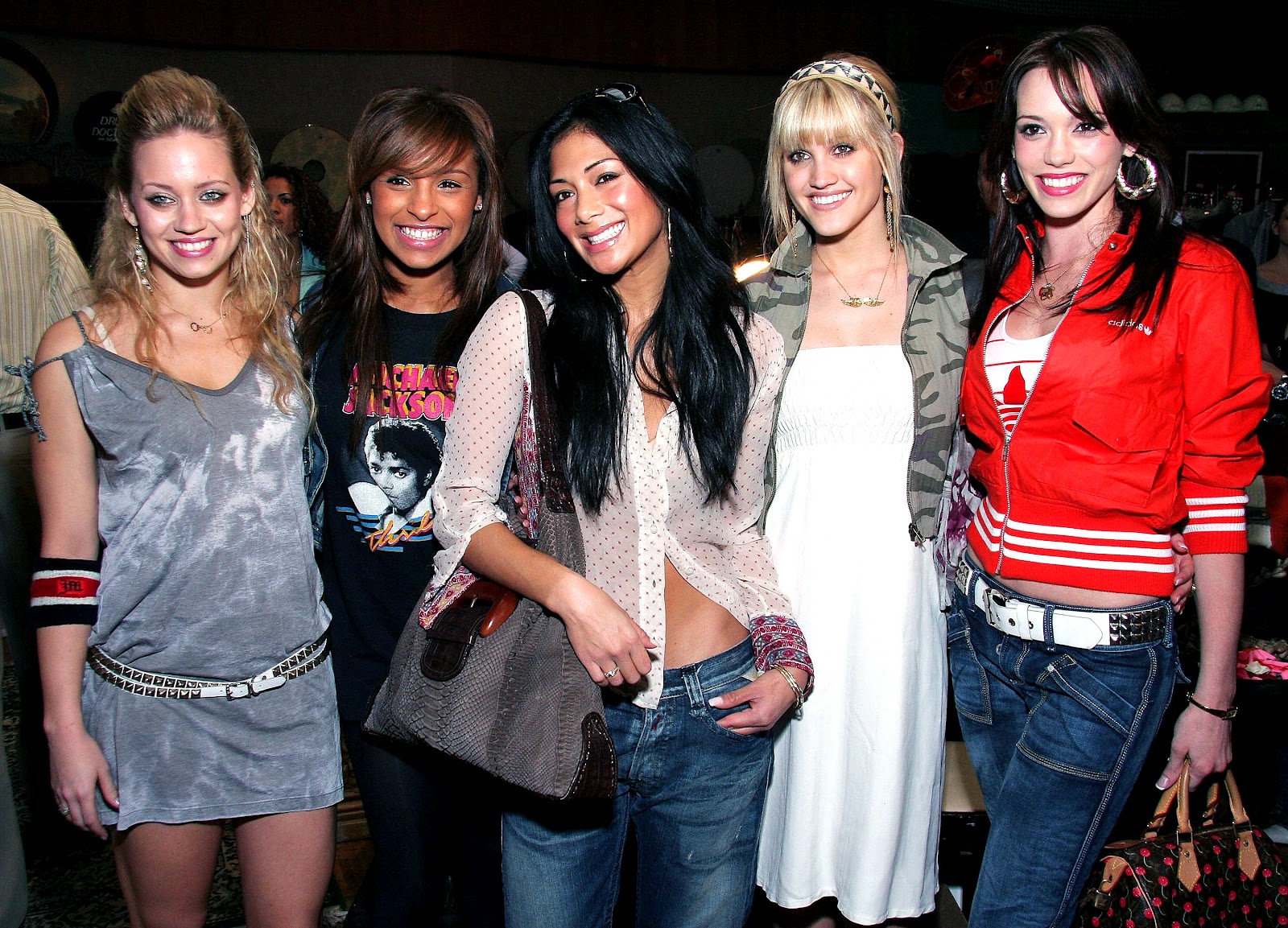
That moment, she said, wasn’t just about clothing. It was about power.
A Legacy of Glamour—And Controversy
The Pussycat Dolls weren’t just a group—they were a phenomenon. At their peak, they sold millions, headlined tours, and turned burlesque into billion-dollar branding. But behind the glitter, former members have long criticized the group’s culture.
Nicole Scherzinger, the group’s lead singer, has spoken publicly about lack of creative control and being treated as a “prop.” Other members revealed they were underpaid, overworked, and pressured to maintain extreme body standards.
Now, a new generation of performers is confronting similar dynamics.
The singer’s public criticism echoes earlier warnings. Only this time, the conversation has evolved. Social media gives artists a direct line to fans. Movements like #MeToo and #TimesUp have made it harder to dismiss discomfort as “part of the job.”
Still, the tension remains: how much of a performer’s body should be considered part of the act?
When Image Overrides Artistry This isn’t just about underwear. It’s about the pipeline from talent discovery to market-ready product.
In girl groups—especially those with roots in dance and visual appeal—image is currency. But when image becomes the only currency, artistry suffers.
The singer pointed to missed opportunities: complex harmonies simplified for the sake of choreography, original songs scrapped in favor of radio-friendly, sexually charged tracks. “We had stories to tell,” she said. “But the label only wanted us to sell fantasy.”
Her experience reflects a broader industry pattern. Research from the Annenberg Inclusion Initiative shows that female pop artists are significantly more likely to be sexualized in music videos than their male counterparts. The pressure starts early—especially for young women entering curated groups.
And once the image is set, pushing back can feel career-threatening.
The Cost of Speaking Out
Going public wasn’t easy. The singer weighed the risks: potential blacklisting, online backlash, legal threats. But silence, she realized, came with its own cost.
“I didn’t want another girl to feel like she had to choose between her dignity and her dream,” she said.
Since speaking out, she’s received mixed reactions. Some fans praised her courage. Others accused her of being “prude” or “ungrateful” for rejecting the opportunity. Industry insiders have been quieter—some privately sympathetic, others dismissive.
But the conversation has shifted. Other young performers have reached out, sharing similar stories. Stylists, choreographers, and even former Pussycat Dolls affiliates are rethinking how they approach image development.
One vocal coach, who’s worked with multiple girl groups, said: “We train these girls to sing, to move, to perform under pressure. But we don’t train them to say no. That’s the gap.”
Reimagining Girl Group Culture
The future of girl groups doesn’t have to mirror the past.
Groups like Little Mix, FLO, and K-pop acts like BLACKPINK and TWICE have proven that female performers can be both sensual and substantive. They wear bold outfits—but on their own terms. More importantly, they sing, write, and lead.
The difference? Agency.
Agency in wardrobe choices. In songwriting credits. In choreography input. In contract negotiations.
The singer’s critique isn’t anti-fashion or anti-glamour. It’s pro-choice. “I love performing,” she said. “I love feeling powerful on stage. But power doesn’t have to mean being half-dressed.”
She now advocates for mentorship programs that teach young artists about contracts, boundaries, and self-advocacy before they sign on the dotted line.
What the Industry Needs to Change
Immediate reform starts with awareness—and accountability.
Here’s what needs to shift in how girl groups are built and managed:
- Consent-driven styling: Outfits should be discussed, not dictated. Performers must have veto power over wardrobe.
- Diverse representation: Not every girl group has to follow the same sexy archetype. Let talent define the brand.
- Transparent contracts: Young artists need legal support to understand image rights, revenue splits, and creative control.
- Mental health support: Constant scrutiny takes a toll. Access to therapists and counselors should be standard.
- Creative development: Invest in vocals, songwriting, and stagecraft—not just photo shoots.
Labels and creators who still rely on shock value over substance risk becoming relics. Audiences are smarter now. They want authenticity, not caricatures.
A Shift in the Spotlight
This singer’s story isn’t an outlier. It’s a signal.
The music industry is at a crossroads. It can continue recycling outdated models of female performance—where bodies are styled, sold, and silenced. Or it can evolve.
Real empowerment isn’t wearing less. It’s choosing more: more control, more voice, more artistry.
For the next generation of girl group stars, the goal shouldn’t be to survive the system. It should be to redefine it.
And sometimes, that starts by refusing to wear the underwear they’re handed.
FAQ
Why are girl groups often pressured to wear revealing clothes? Revealing attire has historically been used to increase media attention and commercial appeal, especially in pop and dance genres. However, this often comes at the cost of artistic autonomy.
Is it common for talent discovered by major creators to face image pressure? Yes. Many young artists signed under established brands report intense image control, particularly in visually driven acts like dance-pop or K-pop groups.
Can performers legally refuse wardrobe demands? It depends on their contract. Some agreements include “image rights” clauses, but performers can and should negotiate boundaries before signing.
What can young artists do to protect themselves? Work with entertainment lawyers, join performers’ unions, and seek mentorship from seasoned artists who’ve navigated similar pressures.
Has the Pussycat Dolls creator responded to these allegations? As of now, Robin Antin or her representatives have not publicly addressed this specific singer’s claims.
Are there girl groups that balance image and artistry successfully? Yes—groups like Little Mix, FLO, and BLACKPINK maintain strong visuals while asserting creative control, songwriting input, and performance depth.
How can fans support artists speaking out? Amplify their voices, respect their boundaries, and support music that values talent over titillation.
FAQ
What should you look for in Girl Group Singer Slams Underwear Demand by Pussycat Dolls Creator? Focus on relevance, practical value, and how well the solution matches real user intent.
Is Girl Group Singer Slams Underwear Demand by Pussycat Dolls Creator suitable for beginners? That depends on the workflow, but a clear step-by-step approach usually makes it easier to start.
How do you compare options around Girl Group Singer Slams Underwear Demand by Pussycat Dolls Creator? Compare features, trust signals, limitations, pricing, and ease of implementation.
What mistakes should you avoid? Avoid generic choices, weak validation, and decisions based only on marketing claims.
What is the next best step? Shortlist the most relevant options, validate them quickly, and refine from real-world results.


:max_bytes(150000):strip_icc():focal(351x323:353x325)/Robert-Downey-Jr-Iron-Man-Stark-Flight-Lab-081324-0d7f3cbf9380401c81e455ccc86d4532.jpg)