Reality TV thrives on secrets—until they slip.
When audio from the Summer House reunion surfaced online, allegedly intercepted during a routine Bravo wrap-up call, it didn’t just spark gossip. It ignited a full-blown media investigation. Fans, critics, and insiders are now dissecting not just what was said, but how it got out. This isn’t just about drama in the Hamptons. It’s about trust, confidentiality, and the fragile line between performance and privacy in unscripted television.
The Leak That Broke the Silence
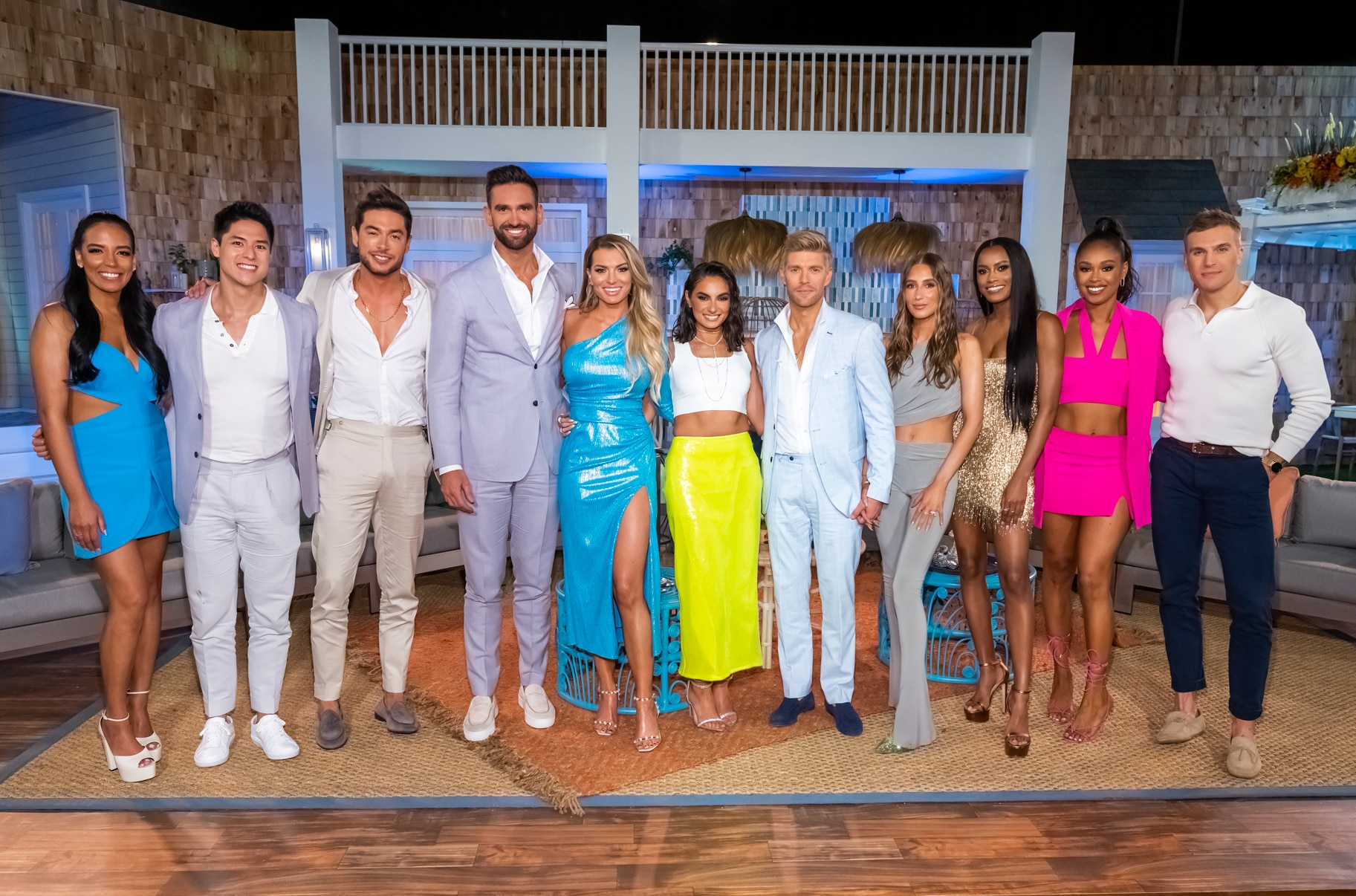
The first clip emerged on a niche reality TV podcast, uploaded anonymously. It featured what sounded like a post-reunion debrief between key Summer House cast members and a senior Bravo producer. Voices matched known participants: Hannah Berner, Luke Gulbranson, Carl Radke, and Danielle Olivera were all identifiable. The conversation wasn’t staged. It was raw—filled with grievances about editing, accusations of bias, and personal tensions that never made the final cut.
This wasn’t a scripted confession. It was a behind-the-scenes reckoning.
Bravo, known for its tight control over narrative and content, scrambled. Within hours, the clip was removed from major platforms—but not before being reposted across Reddit, TikTok, and fan forums. Screenshots of timestamps and transcribed lines began circulating. The damage was done.
The core issue? The audio wasn’t just leaked. It was wrapped—a term insiders use for the official post-taping interviews that production teams use to clarify storylines, confirm emotions, and sometimes, correct the record. These sessions are contractually confidential. Their exposure suggests a breach not just of trust, but of protocol.
What Was Said—and Why It Matters
The most explosive moment came when Danielle Olivera reportedly said, “They made me look like the villain for ratings. I didn’t even say half the things they put in my mouth.”
Luke Gulbranson followed, questioning the editing of his final confrontation with Carl: “That wasn’t anger. That was concern. But they cut it to make me look like an aggressor.”
Hannah Berner, in a rare moment of candor, admitted, “I knew it was coming, but I still felt blindsided. They used my words to paint someone as toxic when the truth was more complicated.”
These aren’t just complaints. They’re admissions of manipulation—something Bravo rarely acknowledges. The network has long operated on the “it’s all real” marketing line, even as editing shapes narratives beyond recognition. This leak didn’t expose new drama. It exposed the machinery behind the drama.
Fans didn’t just react—they analyzed. Side-by-side comparisons of aired scenes versus transcribed wrap quotes appeared on YouTube. One video, titled “Summer House: Edited vs. Real,” has over 1.2 million views. Viewers noticed subtle shifts: pauses removed, lines rearranged, context erased.

The takeaway? What audiences see isn’t truth. It’s a version engineered for maximum tension.
How Did the Audio Get Out?
Bravo’s internal investigation is ongoing, but early findings point to a contractor error. A freelance audio engineer, hired to digitize archival footage, allegedly accessed post-reunion wrap sessions stored on an unsecured server. According to a source familiar with the probe, “The files weren’t password-protected. They were labeled generically—like ‘SH-Reunion-Wrap-3.’ Anyone with access could pull them.”
This wasn’t hacking. It was negligence.
More troubling: the engineer claims they didn’t leak the files. “I downloaded them for quality control,” they told Reality Weekly under condition of anonymity. “I don’t know how they got online. But someone else had access.”
Insiders say Bravo’s digital asset management system has long been fragmented—especially for secondary content like wrap sessions. Unlike final cuts, which are encrypted and monitored, behind-the-scenes audio often gets stored in shared drives, sometimes with outdated permissions.
The leak wasn’t inevitable. But it was predictable.
The Fallout: Cast, Crew, and Contracts For the cast, the fallout is personal. Danielle Olivera has since deactivated her Instagram. Carl Radke, usually vocal on Just the General, has gone silent. Hannah Berner, who previously teased a tell-all memoir, has paused all promotional appearances.
But the real consequences are contractual. Bravo’s talent agreements include strict NDAs covering all production-related content—including wrap-ups. Leaking such material is a fireable offense, and the network has already terminated two crew members linked to the breach.
Still, questions linger. If the audio is authentic, does that mean cast members were misled about confidentiality? Were they told these sessions were off-the-record when they weren’t? Legal experts say yes—and that opens the door for talent lawsuits.
“One clause doesn’t cover everything,” says entertainment attorney Lisa Tran. “If Bravo told them the wraps were private, but then stored them insecurely, that’s a breach of good faith. Cast members could argue emotional distress or reputational harm.”
This isn’t just about one leak. It’s about precedent.
Why This Changes Reality TV
The Summer House audio leak isn’t isolated. It’s part of a broader pattern. In the past 18 months, Real Housewives reunion outtakes, Vanderpump Rules secret meetings, and Below Deck crew complaints have all surfaced online. Each leak chips away at the illusion of control.
But this one is different.
Because it didn’t come from a cast member. It came from within the machine.
That erodes trust on two fronts: - Cast members may stop speaking honestly in wraps, fearing exposure. - Producers may limit wrap depth, reducing authenticity in post-production.
The irony? The very tool Bravo uses to shape narrative—the wrap interview—may now be too risky to use fully.
Some shows are already adapting. The Real Housewives of Salt Lake City recently switched to written debriefs instead of recorded ones. Others are encrypting every file, regardless of content type. But these changes come at a cost: slower editing, higher overhead, and less nuance in storytelling.
What Bravo Got Wrong—And How They Can Fix It
Bravo’s biggest mistake wasn’t the leak. It was the culture that allowed it.
For years, the network has treated secondary content as disposable. Wrap sessions, B-roll, and off-camera audio are seen as tools—not assets. But in the digital age, every byte has value. And risk.
Here’s what needs to change:
| Issue | Current State | Needed Fix |
|---|---|---|
| File Security | Stored on shared, unencrypted drives | End-to-end encryption with role-based access |
| Contractor Vetting | Freelancers given broad access | Background checks and digital audits |
| NDA Enforcement | Focused on cast, not crew | Equal liability for all personnel |
| Data Retention | Indefinite storage of raw files | Automated deletion after 90 days |
| Incident Response | Reactive takedowns | Proactive monitoring and alerts |
Bravo can’t just patch the leak. They need to rebuild the pipeline.
The Viewer’s Dilemma: Do We Want the Truth?
Here’s the uncomfortable truth: fans demanded authenticity—and now they have it.
But are we prepared for what that means?
When we see Carl and Luke at odds on screen, we cheer the conflict. But when we hear them express concern for each other off-camera, the narrative collapses. The drama feels hollow. The show feels fake.
Yet without that fabrication, would we watch?
Ratings suggest no. Summer House hit a season high the week after the leak. Viewers tuned in not to see resolution—but to see how the network would respond. The leak didn’t kill the show. It boosted it.
This is the paradox of modern reality TV: We crave realness, but reward manipulation. We condemn editing, but share the most sensational cuts. We want transparency—until it ruins the story.
What Happens Next?
Bravo has remained officially silent. No press release. No statement. But behind the scenes, the investigation continues. Legal teams are reviewing contracts. IT is auditing server logs. Executives are debating whether to release a corrected version of the reunion—or bury it entirely.
Cast members are being advised to stay quiet. But the damage to trust is deep. One source said, “They don’t know who to talk to anymore. Was it a producer? A sound tech? Someone in post? The paranoia is real.”
For viewers, the path forward is clearer: - Demand transparency—not just from cast, but from networks. - Question editing—not just accept what’s handed to you. - Support ethical production—reward shows that respect their talent.
The Summer House audio leak isn’t the end of an era. It’s a warning.
Reality TV can’t keep pretending the curtain doesn’t exist. Because now, everyone’s seen behind it.
Stop treating reality as disposable. Start demanding accountability—behind the camera, not just in front of it.
FAQ
What should you look for in Bravo Wraps Leak Raises Questions About Summer House Reunion Audio? Focus on relevance, practical value, and how well the solution matches real user intent.
Is Bravo Wraps Leak Raises Questions About Summer House Reunion Audio suitable for beginners? That depends on the workflow, but a clear step-by-step approach usually makes it easier to start.
How do you compare options around Bravo Wraps Leak Raises Questions About Summer House Reunion Audio? Compare features, trust signals, limitations, pricing, and ease of implementation.
What mistakes should you avoid? Avoid generic choices, weak validation, and decisions based only on marketing claims.
What is the next best step? Shortlist the most relevant options, validate them quickly, and refine from real-world results.


:max_bytes(150000):strip_icc():focal(351x323:353x325)/Robert-Downey-Jr-Iron-Man-Stark-Flight-Lab-081324-0d7f3cbf9380401c81e455ccc86d4532.jpg)